-110x110.png)
Large Special-Equipment Structural Components
For special-equipment bases, frames, platform structures, precision mounting plates and large load-bearing parts. Each project is reviewed against end use, assembly interfaces, load interfaces and destination-country compliance requirements.
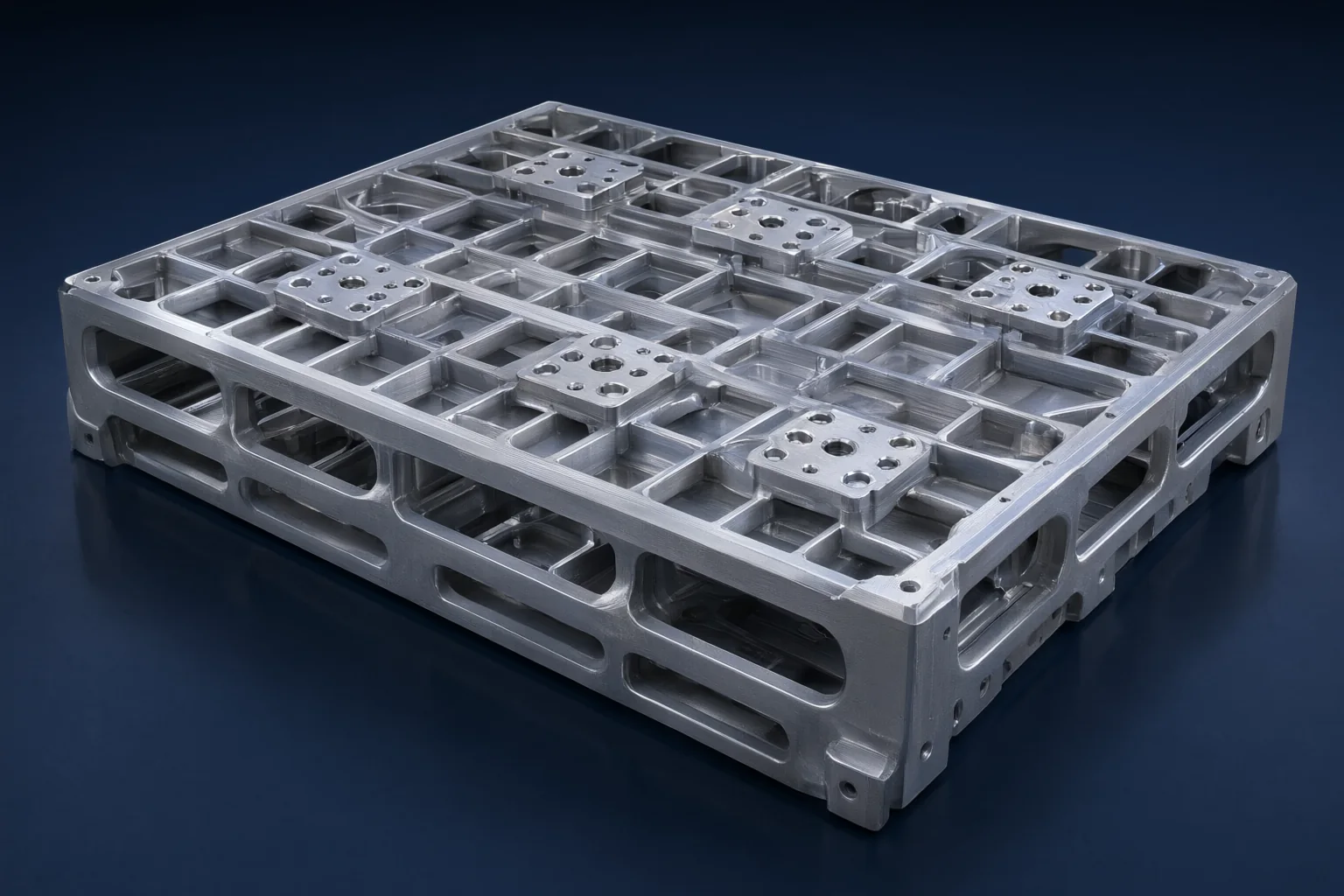
Component Scope We Can Evaluate
The categories below help buyers identify the relevant requirement. Machinability is confirmed only after review of drawings, materials, quantities and technical requirements.
01
Large bases, frames and platform structures
02
Precision mounting plates, mounting surfaces and load-bearing parts
03
Equipment brackets, connector blocks and custom structural parts
Technical Illustrations of Structural and Companion Parts
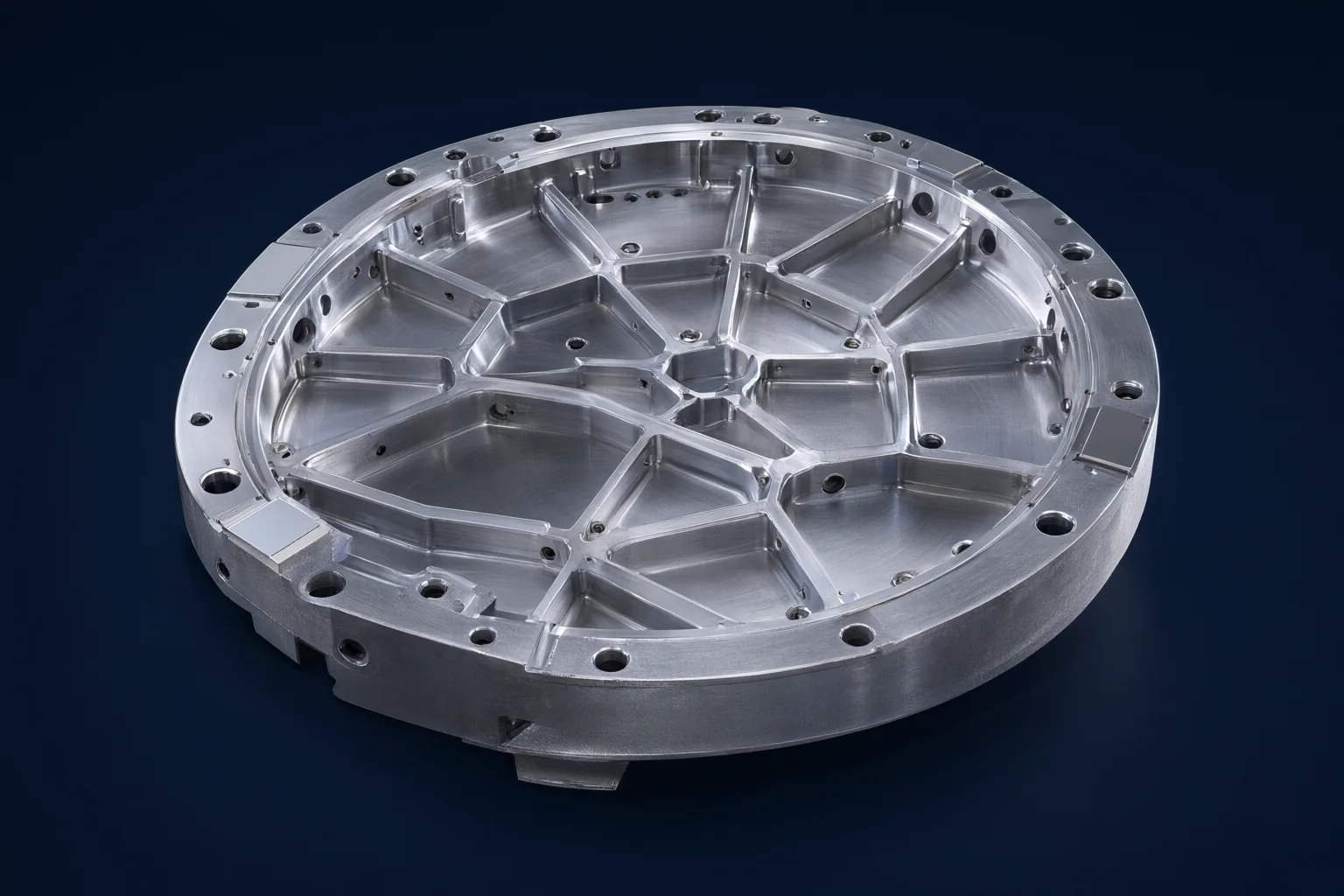
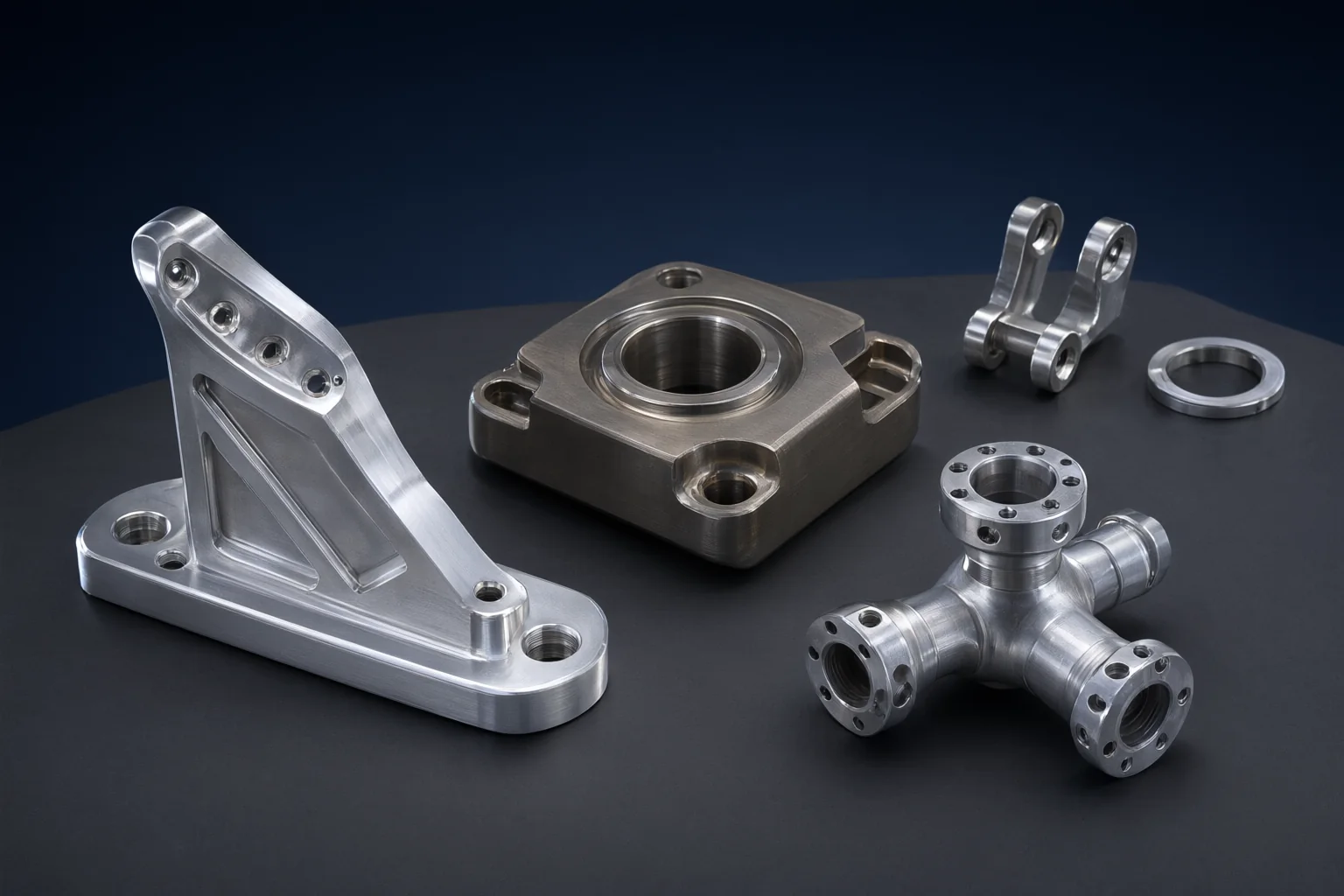
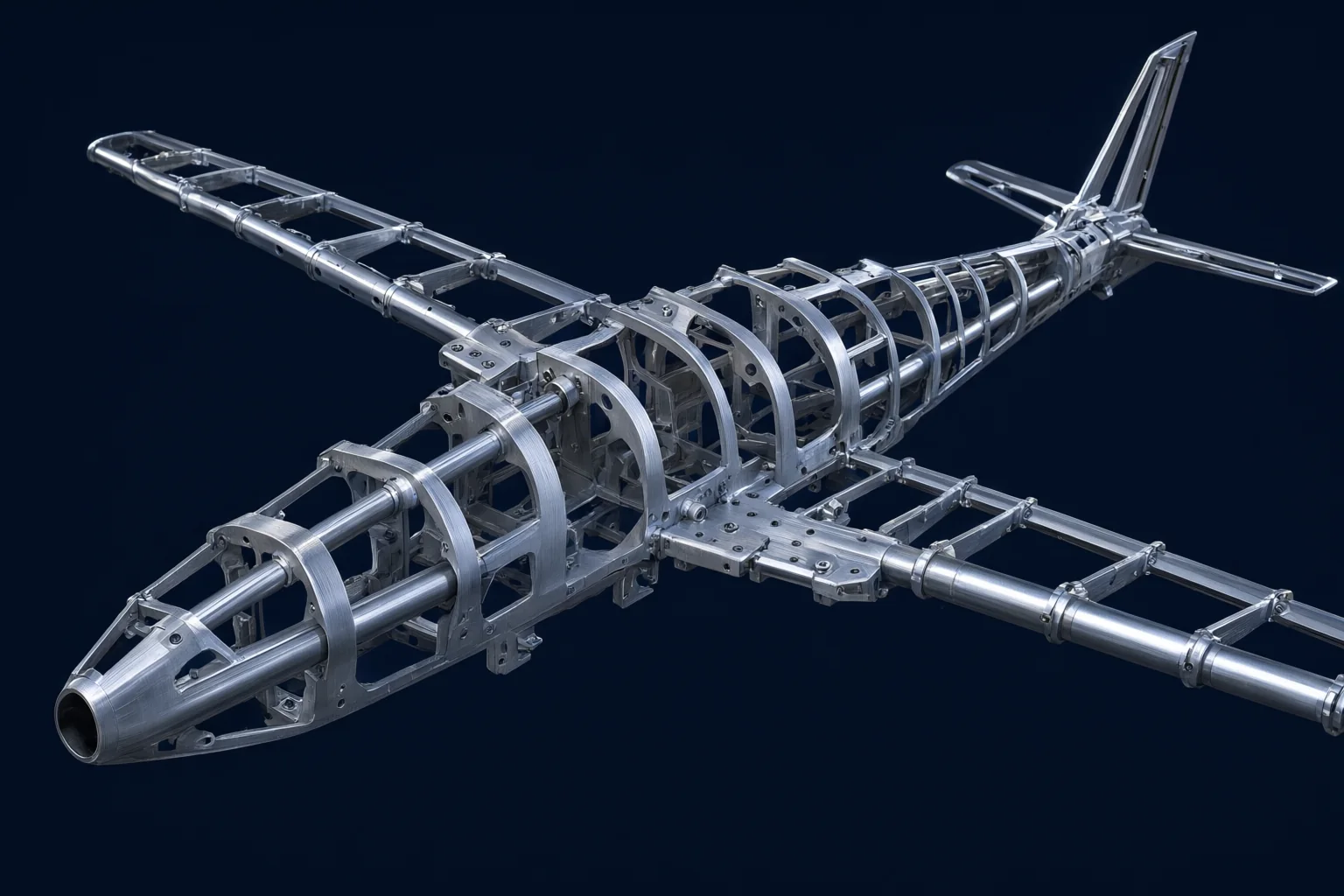
The images below illustrate component categories that can be evaluated. They do not represent a specific customer project, completed case or final delivery condition.
Technical illustration of a component type; not a specific customer project or completed case.
Technical illustration of a component type; not a specific customer project or completed case.
Technical illustration of a component type; not a specific customer project or completed case.

Technical illustration of a component type; not a specific customer project or completed case.
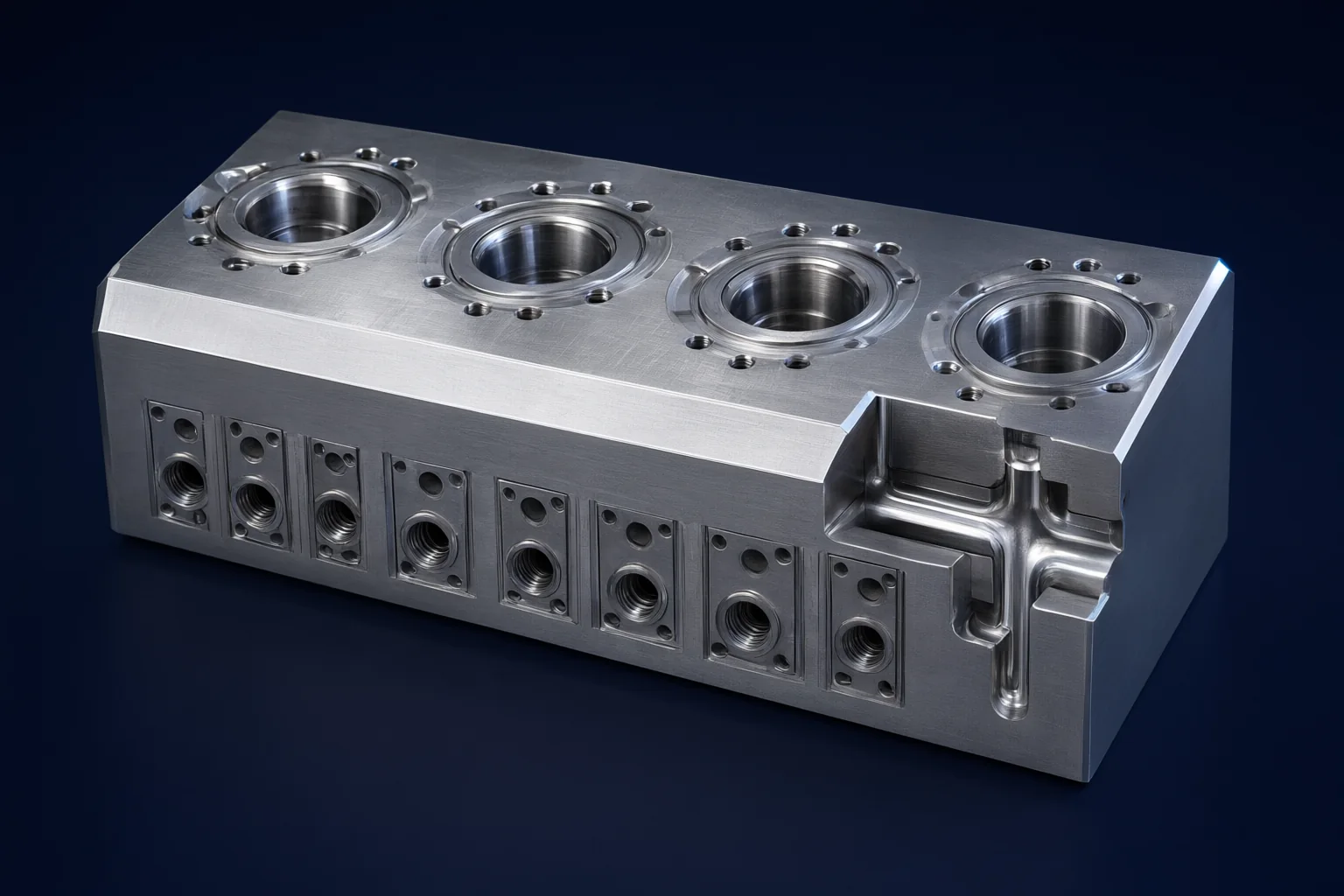
Technical illustration of a component type; not a specific customer project or completed case.
Equipment and Size-Capability Matching
Materials and Key Control Items
Common Materials
- Common aluminium alloys
- Carbon steel, alloy steel and stainless steel
- Other materials evaluated by application, grade and condition
Key Controls
- End-user, end-use and destination-country review
- Fixturing, flatness and hole-pattern control for large structures
- Packaging, protection, labelling and batch traceability
Order Quantities
- One-off prototypes and design validation
- Low-volume trials and assembly validation
- Production orders and phased delivery
Information Required for RFQ
| Drawings and Revision | 2D drawings, 3D models, drawing number, revision and assembly relationship. If only a sample is available, provide clear photographs and critical dimensions. |
|---|---|
| Material and Quantity | Material grade and condition, blank requirements, batch quantity and estimated annual demand. |
| Critical Requirements | Datums, critical tolerances, surface roughness, heat treatment, surface treatment, inspection and functional requirements. |
| Project Conditions | Destination country, end user, end use, requested delivery, packaging, labelling and trade terms. |
Additional Confirmation for Large Structural Parts
Special-equipment structural parts are generally non-standard. Fitting within the machine envelope does not by itself make a part ready for quotation. The following boundaries must be clarified before process review.
| Dimensions and Weight | Provide overall dimensions, maximum height, blank weight and finished weight. The approximately 5000 × 4100 mm class is for preliminary envelope matching only; Z-axis height, load capacity and fixturing clearance must be checked separately. |
|---|---|
| Geometry and Datums | Identify primary datums, critical hole patterns, mounting surfaces, welding or assembly relationships, and functional interfaces that must not be altered. |
| Material and Condition | Specify material grade, plate or forging condition, heat treatment, stress relief and whether equivalent-material proposals are permitted. |
| Inspection and Documentation | Agree in advance on measurement methods for flatness, position, profile and critical dimensions, together with material, dimensional and traceability documentation. |
| Qualifications and Confidentiality | The scope of qualification documents, confidentiality level, verification method and permitted use of drawings are confirmed in writing by both parties during project review. |
Buyer FAQ
Is 5000 × 4100 mm the maximum finished-part size?
No. This figure is used for preliminary envelope matching of large planar workpieces. Z-axis height, weight, tool travel, fixturing position and inspection clearance must still be confirmed.
Is 0.0015 mm the final tolerance for a large structural part?
No. The stated 0.0015 mm is an equipment repeat-positioning deviation, not the final dimensional tolerance of the part. Final tolerance depends on geometry, material, span, temperature, fixturing, process and inspection method.
Can an NDA be signed before drawings are submitted?
Yes. First state the sensitivity level and confidentiality requirements, then agree the NDA, permitted use of information, retention period and each party’s responsibilities.
Why are the end user and end use required?
Aerospace, unmanned-aircraft and special-equipment projects may be subject to export controls or destination-country restrictions. Project classification and compliance review are therefore required before quotation.
Start the Engineering Review with Your Drawings
Please provide drawings, material, quantity, critical tolerances, destination country and requested delivery.
支持PDF或ZIP,单个文件不超过10 MB。DWG、DXF、STEP、STP、IGES等文件请先压缩为ZIP。资料仅用于项目评估。提交图纸进行工程评估
