-110x110.png)
Group Engineering Experience & Export Delivery Cases
Built on more than two decades of engineering practice, Luyu International Group uses traceable project records, sourcing coordination, quality controls and shipment evidence to demonstrate end-to-end export delivery capability.
Turning Group Strength into Project Delivery
Luyu International Group connects engineering experience, industrial resources and international trade capabilities to coordinate cross-border projects from requirement review through export delivery.
Coordinate engineering, international trade and supply-chain resources around the requirements of each project.
Review drawings, materials, construction interfaces and acceptance requirements to reduce sourcing and site risks.
Coordinate supplier review, samples, production follow-up and agreed quality-inspection checkpoints.
Connect packing, documentation, container loading, logistics tracking and exception handling in a traceable process.
Scope note:Project names, scale and technical information retain the source-record wording. Only verifiable participation scopes are stated; partner or team experience is not presented as the Group’s independent EPC or complete supply performance.
Project Cases & Export Delivery Records
Dubai Aluminum Profiles Export Project
Architectural aluminum profiles · 40HQ × 2 · Delivered
Saudi Arabia Electrical Cabinet Project
Low-voltage cabinets · 20GP × 1 · Delivered
Chile Municipal Pipes Export Project
Water supply and drainage pipes · 40HQ × 1 · Delivered
What the Published Delivery Records Confirm
These summaries strengthen the evidence behind the three real export cases already published on this website. They state only the destination, product scope, shipment unit and delivery status supported by the current records; customer names, contract values and restricted documents remain confidential.
Dubai Aluminum Profiles Export Project
The public record confirms two 40HQ shipments of architectural aluminum profiles to Dubai. The dedicated case page documents the control path for requirements, surface quality, batch inspection, export packing and shipment milestones without disclosing the customer or contract value.
Saudi Arabia Electrical Cabinet Project
The current record confirms one delivered 20GP shipment of low-voltage cabinets to Saudi Arabia. Exact cabinet models, electrical ratings, customer identity and restricted test documents are not published; each similar RFQ requires a fresh technical and compliance review.
Chile Municipal Pipes Export Project
The current record confirms one delivered 40HQ shipment of water-supply and drainage pipes to Chile. Material grade, diameter, pressure class, fittings and destination approvals must be reconfirmed against the documents of any new project.
Evidence boundary: A published case is not a blanket claim for every model or market. New enquiries still require current drawings, specifications, compliance requirements, inspection criteria and delivery terms to be confirmed in writing.
Loading & Logistics Records
From Inquiry to Delivery
- 01Confirm requirements and technical conditions
- 02Verify supplier identity and documents
- 03Coordinate production or procurement
- 04Inspect packing before shipment
- 05Handle customs, loading and shipment tracking
How to Evaluate Export Project Cases and Delivery Capability
Export project cases are useful only when a buyer can connect the product, supplier, quality evidence and logistics record. A credible record identifies product scope, destination, packing method, inspection stage and delivery status. Customer names, contract values and restricted documents should be published only with permission. The records on this page illustrate execution methods; every current model, destination rule and contract condition still requires a fresh review.
1. Define the product and technical boundary
Start each review of export project cases with the exact model, material, dimensions, tolerance, finish, electrical rating, pipe class or other critical specification. The RFQ should include drawings, data sheets, intended use, installation environment, destination and quantity. A supplier response should confirm every requirement and disclose each exception. A material substitution, brand change or design revision needs a new controlled version rather than an informal promise.
2. Verify legal parties and supporting documents
Reliable export project cases distinguish the manufacturer, exporter, payment beneficiary and certificate holder. Business records, factory address, test reports, quality-system files and product certificates must correspond to the current legal entity and offered configuration. For medical, electrical and engineering products, review applicable standards, issuing bodies, validity, target market and traceable identifiers. A document for a similar model or another company is not evidence for the present order.
3. Convert the sample into a production standard
Record the approved sample with dated photographs, dimensions, colour, function, packing and revision. Transfer those details into the purchase specification. Before production, agree on critical checkpoints, sampling rules, defect classes and acceptance limits. Photographs in export project cases provide context, but acceptance must be based on controlled specifications, limit samples, test methods and written deviation approvals.
4. Control production and pre-shipment inspection
Set checkpoints for incoming material, first article, critical processes and finished goods. Before release, verify quantity, appearance, dimensions, functions, labels, instructions, accessories, cartons, pallets and moisture protection. When a defect is found, retain photographs, affected quantity, root cause, rework or replacement evidence and reinspection results. Shipment should proceed only after open issues receive a documented decision.
5. Build a traceable loading record
A loading file should show container condition, container and seal numbers, loaded quantity, stowage, blocking, date and key images. The commercial invoice, packing list, origin documents, inspection report and bill-of-lading data must agree with the order. Export project cases without dates, model identification or linked documents should be treated as application examples, not as complete proof that a specific transaction occurred.
6. Compare total landed cost
Evaluate samples, tooling, inspection, export packing, inland transport, origin charges, freight, insurance, duty, destination handling, storage, spare parts and complaint exposure. Compare offers with the same quantity, currency, validity, delivery schedule and Incoterm. A low unit price paired with rework, inadequate packing or missing documents can create a higher final cost.
7. Turn a record into a project checklist
Reusable export project cases should produce an action list: who confirms the specification, who supplies evidence, when the sample is approved, which production checks apply, what blocks shipment and which deviations require buyer approval. Repeat orders still require confirmation of revision, material, factory, regulatory status and lead time; historical performance is not an automatic guarantee.
Information to include in your inquiry
Provide the product name, drawing or specification, quantity, destination port, required delivery, packing, certification, payment and acceptance criteria. Better inputs make quotations faster and more comparable. Review the industrial product catalogue or use the contact page to submit a project. For general export planning, consult the International Trade Administration; this reference does not endorse any supplier or transaction.
Export project cases should support a current buying decision through traceable evidence, measurable quality controls and complete delivery records.
Typical Project Execution Plans by Product Category
These planning examples help buyers prepare an RFQ. They are not presented as completed deliveries; only verifiable contract, shipment or site records are treated as actual cases.
Aluminum Profiles & Formwork
Coordinate drawings, alloy and temper, finish, samples, first-article checks and packing.
Electrical Switchgear
Confirm single-line diagram, ratings, component list, routine tests and shipment documents.
Pipe Systems
Define medium, pressure, dimensions, joints, material evidence and lot inspection.
Vehicles & Mobility
Verify destination, configuration, export documents, spare parts and milestones.
Charging Equipment
Check electrical interface, power, protocol, installation environment and market rules.
Construction Machinery
Confirm duty cycle, configuration, attachments, wear parts, inspection and transport.
Kitchen & Commercial Vehicle Parts
Control samples, critical dimensions, material, fitment, packing and traceability.
Pet & Exotic Animal Equipment
Review use conditions, materials, electrical safety, cleaning and retail packing.
Medical Devices
Verify intended use, classification, manufacturer, exact model, market evidence and labels.
Mineral Supply Chain
Control source, grade, sampling, test evidence, contract, shipment documents and settlement.
Group Engineering & Supply-Chain Practice
The records retain their original participation scope and show how engineering experience supports sourcing decisions, quality control and international delivery.

Eastern China Mixed-Use Complex — Curtain Wall
Shows how curtain-wall experience supports profile-fabrication coordination, site delivery and milestone control.

Cross-River Bridge Metal Railing System
Demonstrates experience coordinating metal components, batch controls and site delivery for major infrastructure.

200MW Utility-Scale Solar Power Plant
Shows coordinated sourcing experience across solar mounting profiles, tracker components and fastener packages.
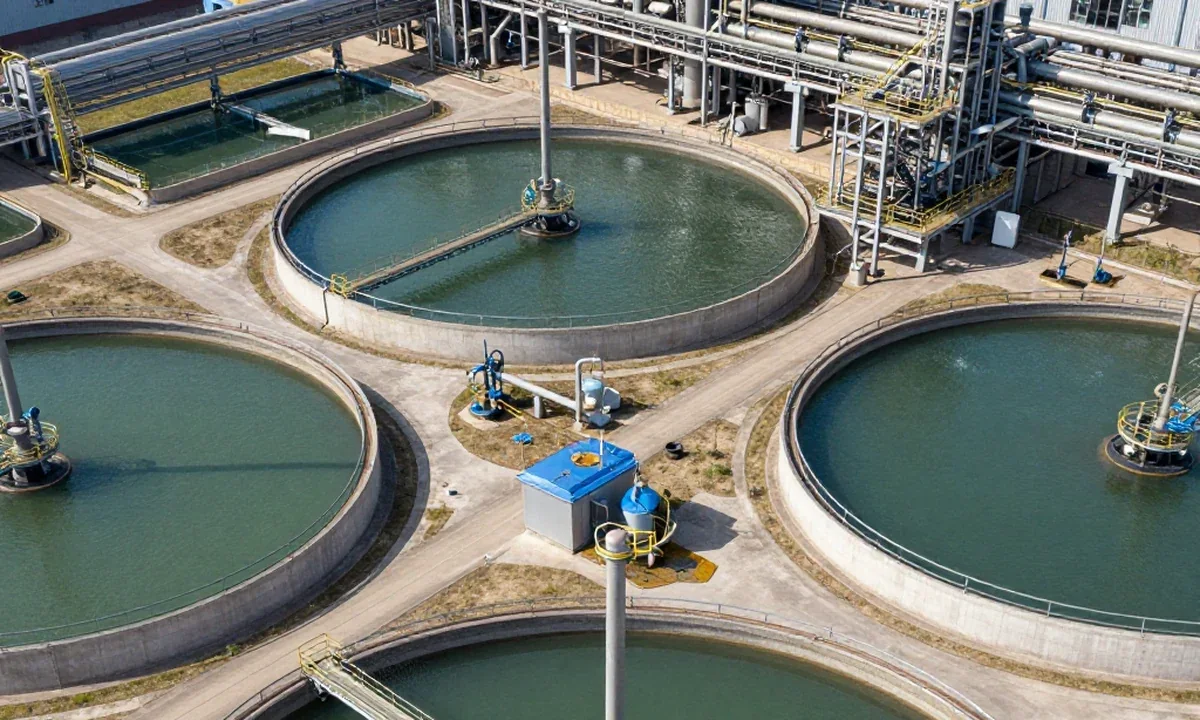
Southern China Municipal Wastewater Plant
Demonstrates integrated supply coordination across piping, metalwork and site interfaces for municipal works.
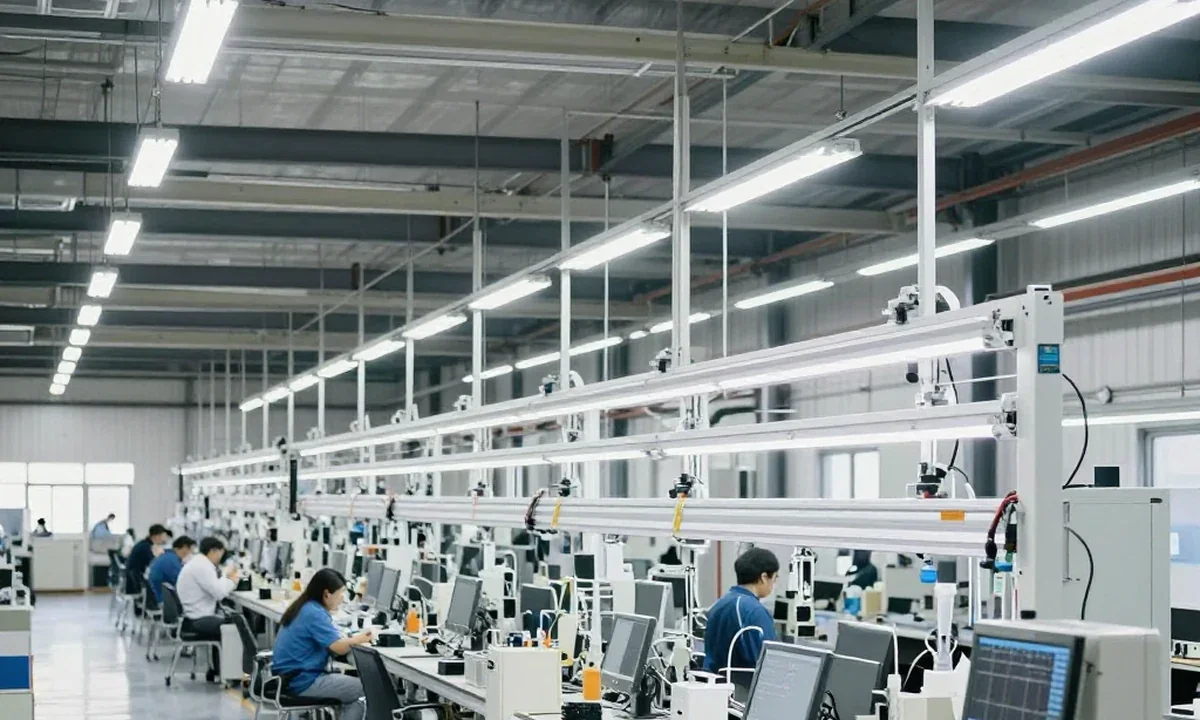
Smart Manufacturing Industrial Facility
Shows multi-discipline coordination across structural steel, windows, doors and curtain-wall packages.

Urban Elevated Expressway Project
Demonstrates procurement, quality review and phased delivery experience for transport-infrastructure components.

Coastal Super High-Rise Office Tower
Shows experience in high-rise façade material supply, technical-interface review and site support.

Agri-Photovoltaic Hybrid Solar Project
Demonstrates material planning, batch management and supply coordination for utility-scale solar projects.

Large-Scale Logistics & Warehousing Base
Shows integrated coordination experience across structural steel and prefabricated envelope systems.
