-110x110.png)


Medical Suction Machines
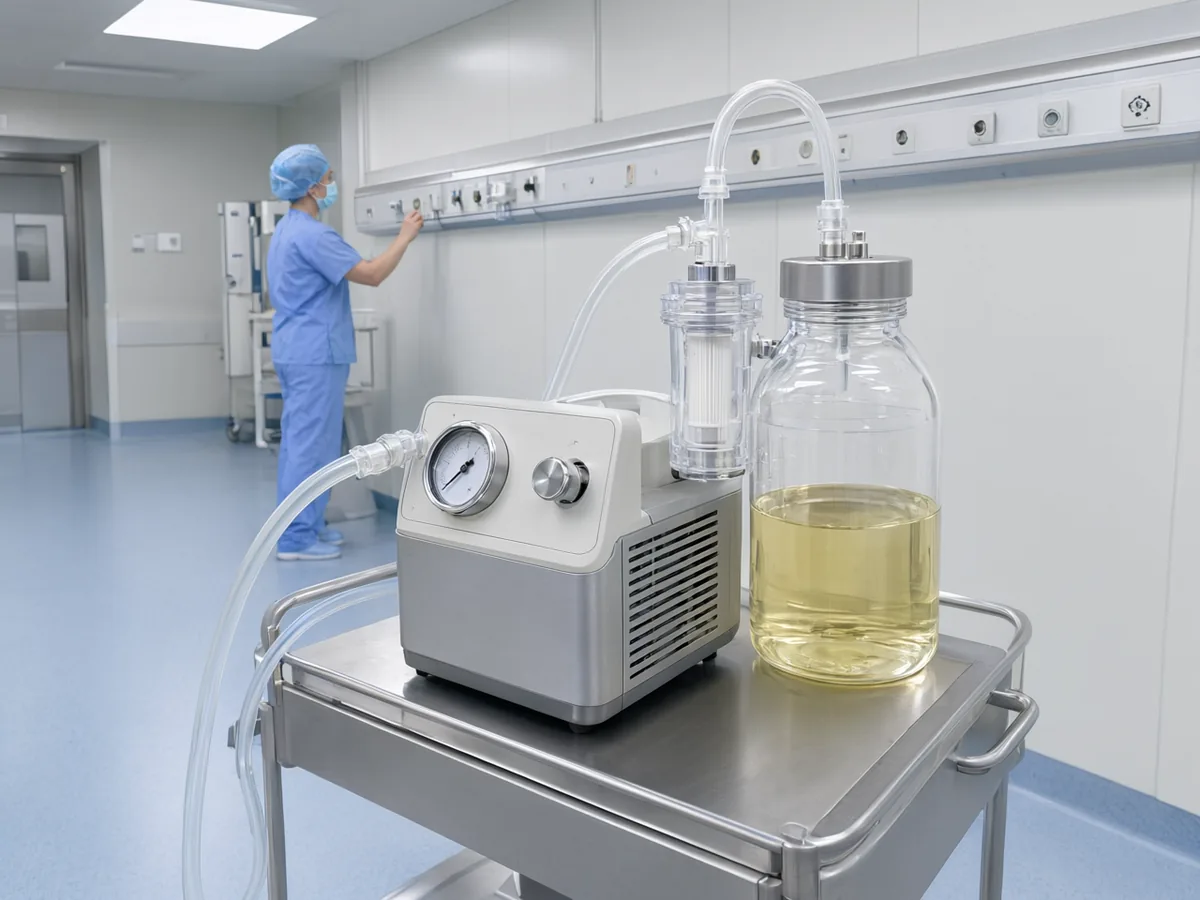
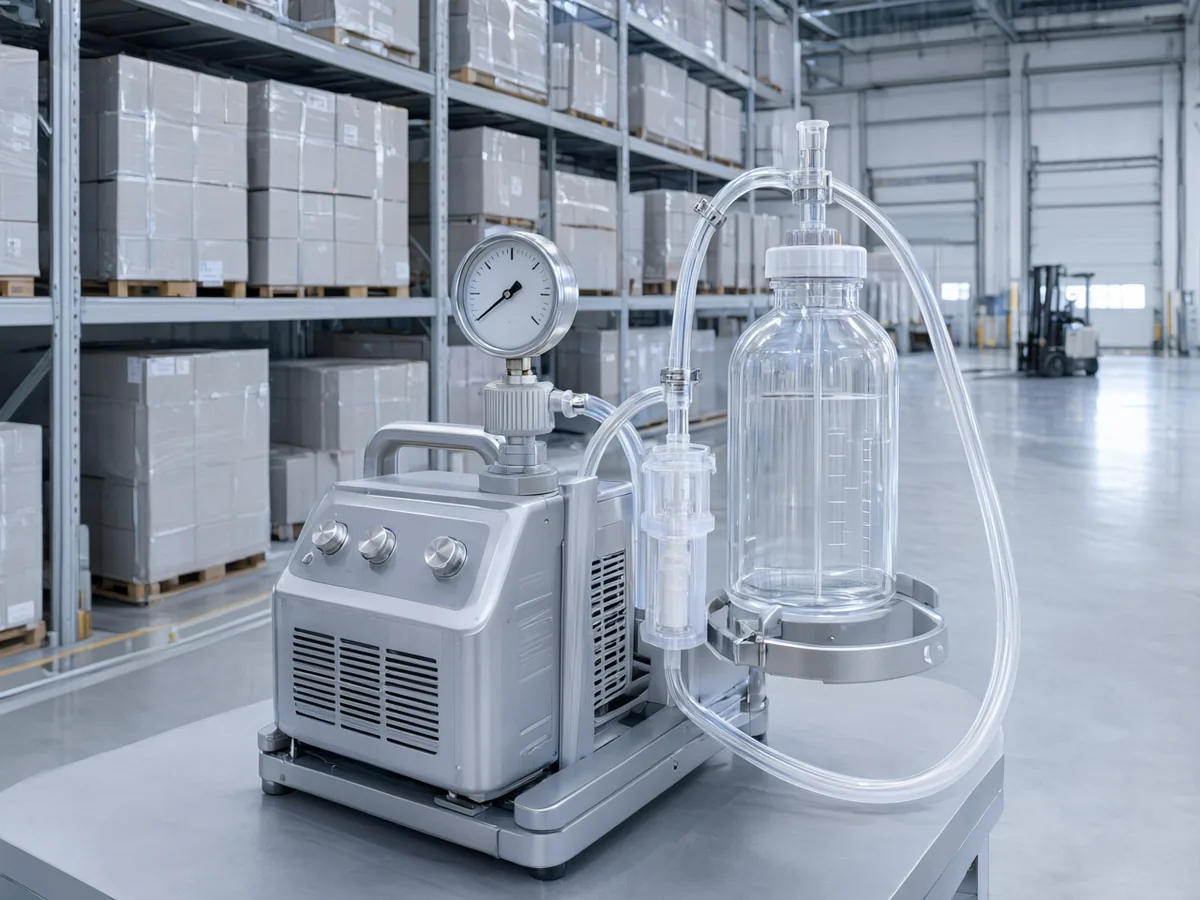
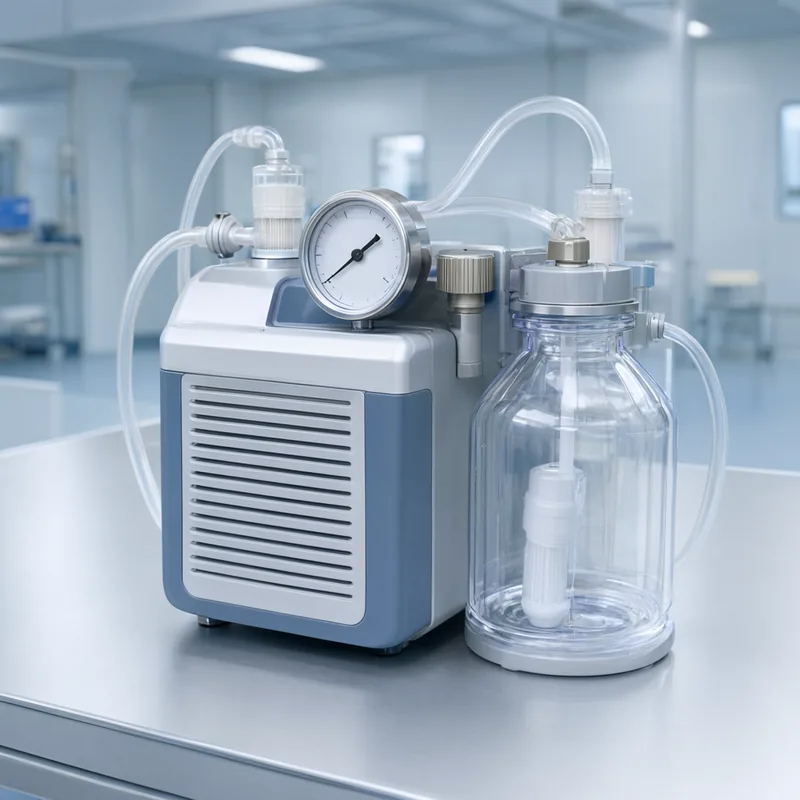
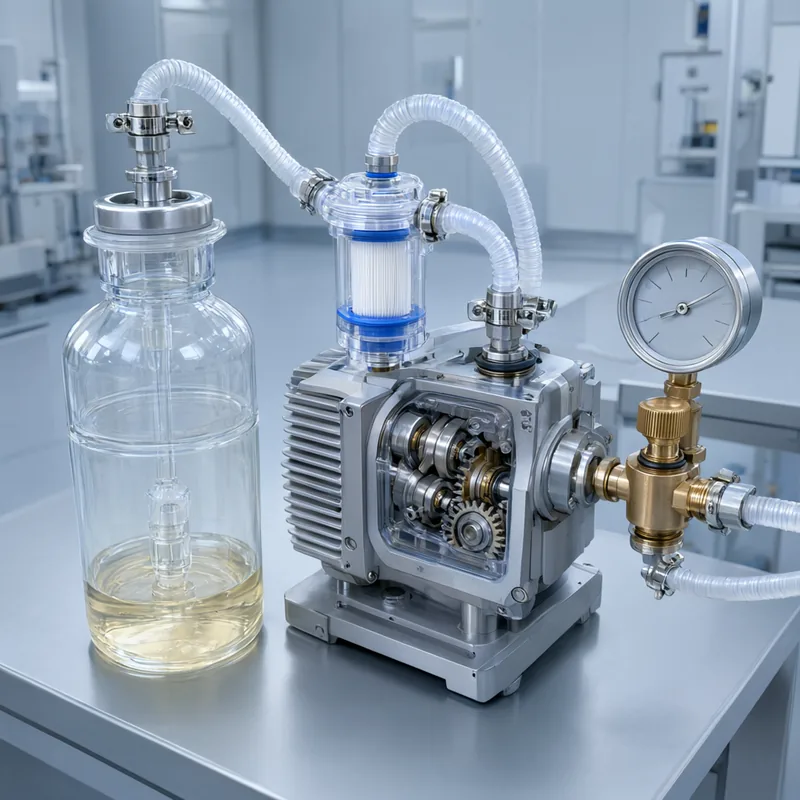
Source medical suction machines for distribution, project and private-label programs. We coordinate configuration review, sample approval, quality inspection, export packing and shipment documents against one confirmed order specification. Available models, configurations, supporting evidence, MOQ and lead time are confirmed in the quotation.
Medical Suction Machines sourcing guide
Use one controlled RFQ to compare suppliers on the same basis. State the destination, application, required construction or configuration, interfaces, packing language, inspection scope and delivery responsibility. Keep supplier deviations visible instead of allowing assumptions to enter the order.
Medical-device classification, registration and market access depend on the exact model, intended use and destination. FDA, CE, 510(k), IVDR or other evidence must be verified model by model.
Specifications to confirm before quotation
Product specification checklist
- intended use, environment and patient group.
- verification method for vacuum and flow items.
- continuous or intermittent operation and adjustment.
- collection container, overflow and filtration.
- power, battery, noise and portability.
- model-specific registration, tubing, labels and packing.
Information required for quotation
- Destination country, sales channel, intended use and estimated order quantity.
- Sample quantity, packing language, label, barcode, carton marks and instructions.
- Trade term, receiving location, delivery target and any split-shipment rule.
- Drawings, data sheets, inspection records or other evidence required for review.
- Open information must remain marked as open rather than becoming a production assumption.
Order terms and global delivery
MOQ, samples and payment
- Typical MOQ: 50 units per model; negotiable by specification, packing and mixed-order value.
- Paid samples are available; the sample unit price is generally higher than the bulk price.
- Payment: 30% deposit and 70% balance before factory release or shipment.
- Logo, colour, specification, packing and instruction customisation are subject to feasibility and written confirmation.
Lead time and shipping
- In-stock standard small products can be dispatched quickly. Express or air delivery may reach eligible destinations in as little as 3 days when customs and the buyer’s accepted freight cost allow.
- Made-to-order, customised or bulk orders are scheduled by model and quantity; production may typically require 25–45 days.
- Express, air, sea, port delivery and door-to-door service are available. DAP/DDP, customs clearance and duties are confirmed by destination.
Inspection, documents and after-sales
- Pre-shipment inspection is available. Agreed quality and export documents are supplied before shipment or with the shipping file or cargo.
- Warranty scope and period are defined by product in the quotation and contract.
- Damage caused by misuse, incorrect installation or unauthorised modification is excluded.
- Confirmed nonconformity with the contracted specification or size is eligible for replacement or return; reasonable transport costs are borne by the seller under the agreed claim procedure.
Quality control checkpoints
Inspection should use a dated specification, drawing, approved sample or agreed checklist rather than marketing photographs. Set separate gates for sample approval, pre-production document closure, in-process review where needed and pre-shipment release. The record should identify the product, revision, batch, quantity, method, result, deviation and responsible person.
- Identity: reconcile the manufacturer, seller, product or configuration, specification and packing revision.
- Appearance: review colour, surface, assembly, cleanliness and visible defects under agreed conditions.
- Dimensions and interfaces: measure critical items against the drawing, sample or mating condition.
- Function or performance: use a written method, equipment condition and acceptance rule.
- Accessories and labels: verify quantity, language, model, warnings, instructions and barcode.
- Exceptions: material, factory, component, software, label or packing changes require written review.
Export packing and document review
Design export packing around surface protection, restraint, moisture or crush exposure, accessory control, stacking and the transport mode. Approve the inner protection, unit quantity, carton limits, marks, pallet rule, instructions and label revision before mass production. Before release, place the order, final specification, sample record, inspection result, packing list, packing photographs and agreed shipping documents in one shipment file.
Do not review a certificate, report or declaration by title alone. Check the issuing entity, manufacturer, factory, product or model, issue date, validity, standard, market and scope. Evidence for a similar product, another factory or a different model does not support the quotation. Where regulation or safety is involved, obtain qualified destination-market review.
Buying scenarios and quotation comparison
Typical sourcing situations
- Distributor replenishment after destination and seller responsibility are defined.
- Project or equipment integration controlled through drawings and interface data.
- Private-label packing approved at sample stage, including marks and intellectual-property responsibility.
- Replacement or repeat orders reopened when components, factory, packing or documents change.
Compare complete cost
Separate verified facts, available options, open questions and unavailable requirements. Compare samples, inspection, protective packing, inland and export handling, freight basis, local charges, spare parts, warranty handling, replacement exposure and delay—not only unit price. A lower quotation is not equivalent when its scope or evidence is narrower.
For general standards research, consult the ISO standards catalogue. The external reference is an information entry point and does not certify any specific product.
Frequently asked sourcing questions
How can I receive an accurate Medical Suction Machines quotation?
Send the destination, intended use, quantity, critical specification, packing language, trade term and target schedule. Missing data will remain open instead of being replaced by an unverified assumption.
Can branding or packing be customised?
Feasibility depends on the manufacturer, construction, quantity and destination requirements. Trademark, colour, labels, instructions and carton artwork must be confirmed after sample and document review.
Does this page represent stocked models or approved certification?
No. The page provides a sourcing-control framework and does not claim stock, fixed performance or certification. Medical-device evidence must be verified by manufacturer, model, intended use and destination.
Additional buyer control notes
Medical Suction Machines buyer control summary
Control the quotation by exception. Require the supplier to answer each requested point and flag substitutions. Keep the original request, supplier reply and final controlled specification together. When a compromise is commercially accepted, record its effect on installation, function, appearance, documentation, lead time and after-sales responsibility.
Sample and production revision
Record what the approved sample represents and what remains open. Identify its date, configuration, appearance reference, accessories and packing status. The purchase order should cite the same revision. Reopen approval when materials, components, subcontractors, software, labels, packing, factory, destination or intended use changes.
Inspection and corrective action
Define the lot, sampling approach, checks, tools or conditions, defect classes, acceptance rule and evidence format. An unanswered question remains open; a sales promise or cropped photograph is not proof. If production fails an agreed point, record containment, root-cause review, corrective action, reinspection and the person authorised to release the order.
Shipment and repeat-order review
Before shipment, reconcile quantity, configuration, marks, packing, inspection status and document list. Keep dated evidence with the order so a later complaint can be investigated. For repeat orders, review expired evidence, product revisions, factory or component changes and unresolved quality history instead of copying the earlier decision automatically.
Product Gallery